
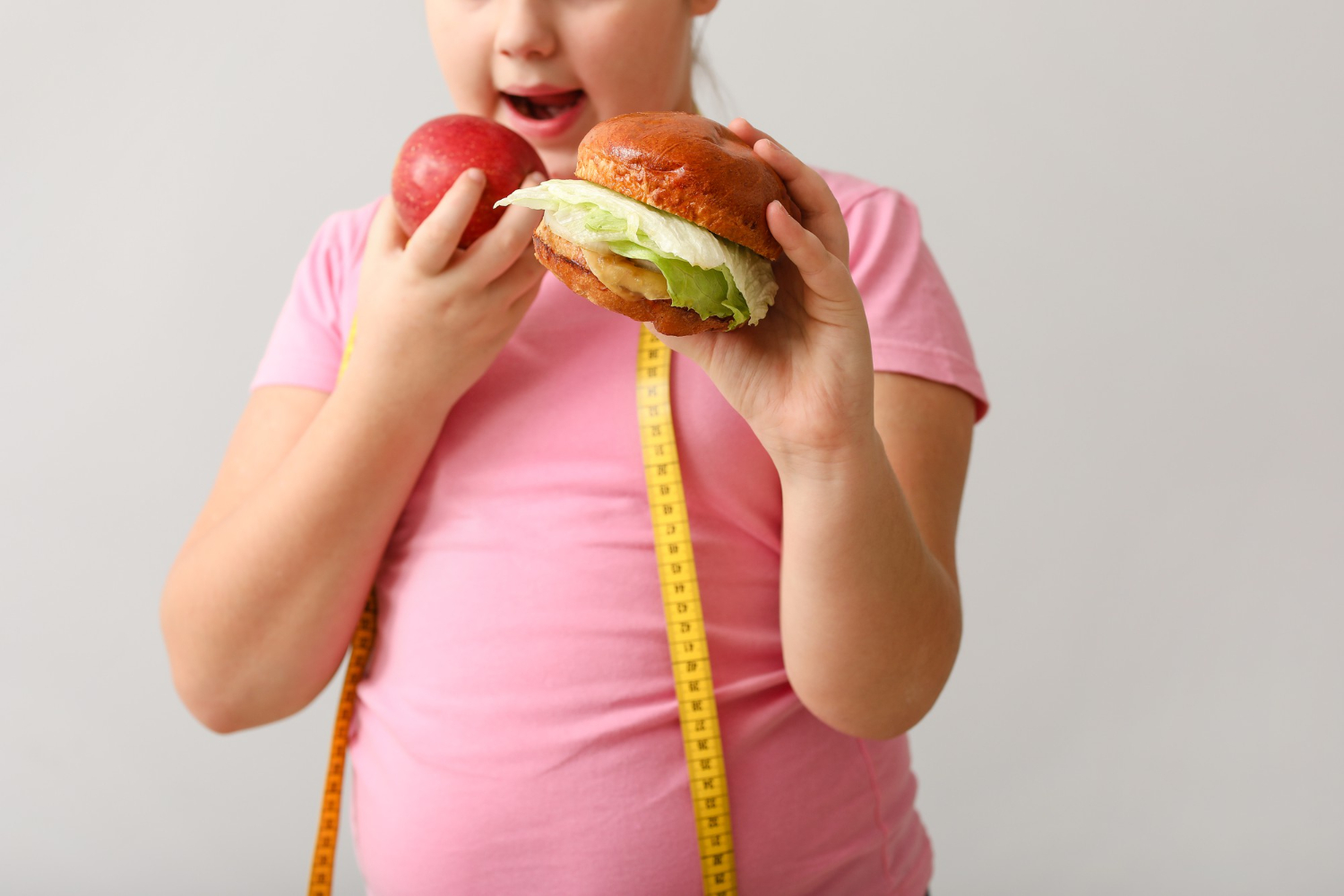
Introduction
Childhood obesity is when a child has too much body fat for their age and height. This condition can lead to health problems, both now and later in life. Because childhood obesity prevention is so important, families need to know the signs and how to help. According to the CDC and WHO, childhood obesity rates are rising worldwide. Early action can help children stay healthy and happy.
Symptoms and Signs
Sometimes, it is hard to tell if a child is overweight. However, there are signs parents can watch for. For example, children with obesity may:
Even though these signs can help, only a doctor can confirm if a child is obese.
Causes and Risk Factors
Many things can lead to childhood obesity. Often, it is a mix of habits, environment, and family history. Some common causes and risk factors include:
Because these factors often work together, it is important to address them as a family.
Diagnosis Methods
Doctors use several methods to check for childhood obesity. First, they measure the child’s height and weight. Then, they calculate the Body Mass Index (BMI) for age and sex. If the BMI is above the 95th percentile, the child may be considered obese. Sometimes, doctors may also check for related health problems, such as high blood pressure or high cholesterol. Regular check-ups help catch weight issues early.
Prevention Tips
Preventing childhood obesity is easier when the whole family works together. Here are some practical, family-friendly strategies:
Because small changes add up, start with one or two tips and build from there.
Lifestyle and Nutrition Guidance
Healthy habits can make a big difference. For example, children should get at least 60 minutes of physical activity each day. This can include walking, biking, or playing sports. In addition, focus on balanced meals. Try to fill half the plate with fruits and vegetables. Choose whole grains and lean proteins, like chicken or beans. Limit fast food and processed snacks. Instead, cook simple meals at home when possible. Remember, children learn by watching adults, so set a good example.
When to Seek Medical Advice
Sometimes, parents worry about their child’s weight. If you notice rapid weight gain or signs of obesity, it is best to talk to a pediatrician. Also, seek help if your child feels sad or is bullied about their weight. A doctor can check for health problems and suggest a safe plan. Early support can prevent long-term issues.
Conclusion
Childhood obesity prevention starts at home. With healthy habits and family support, children can grow strong and confident. For the best results, consult a pediatrician for personalized guidance.